
OpenSponsorship
OpenSponsorship
Athletes & Creators
Case Studies
Blog
Login
Sign Up
OpenSponsorship
OpenSponsorship
  • About
  • Pricing
  • Profiles
  • Categories
  • Case Studies
  • Team
  • Careers
  • Referral
  • Knowledge
  • Blog
  • Contact
  • Help
Featured in:
Sport Business Journal
Sportico
Sports Pro
Forbes
Bloomberg
Cnbc
OpenSponsorship Corp.© Copyright 2026 All Rights Reserved.Privacy Policy | Terms & Conditions
  1. Home
  2. Search Profiles
  3. Erin Hamlin
Erin Hamlin profile image

Sponsor Erin Hamlin

United States
Athlete
Luge - Team USA
Local
Reach
High
Response Rate

About Erin Hamlin — Olympics luge athlete

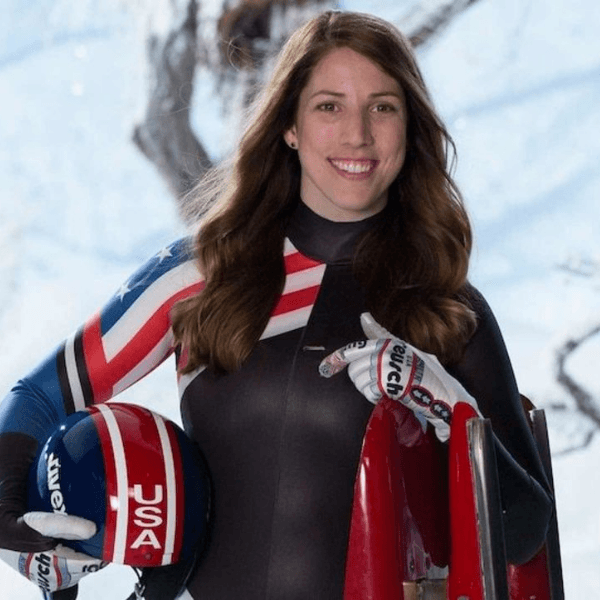
Erin Hamlin is an Olympic bronze medalist and world champion who brings authentic sports credibility, a strong family-and-lifestyle voice, and a warm on-camera presence to brand partnerships. With content spanning Olympic legacy, wellness, motherhood, pets, and everyday life in upstate New York, she offers sponsors a trusted, relatable ambassador with broad appeal.


Why you should sponsor me for your next influencer campaign?

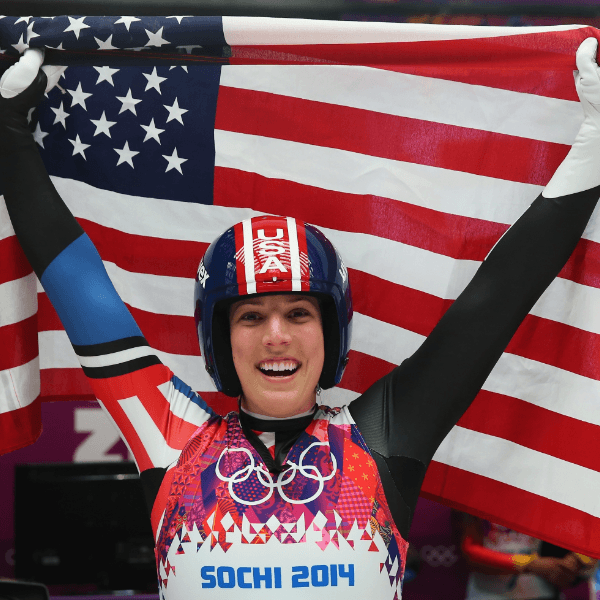
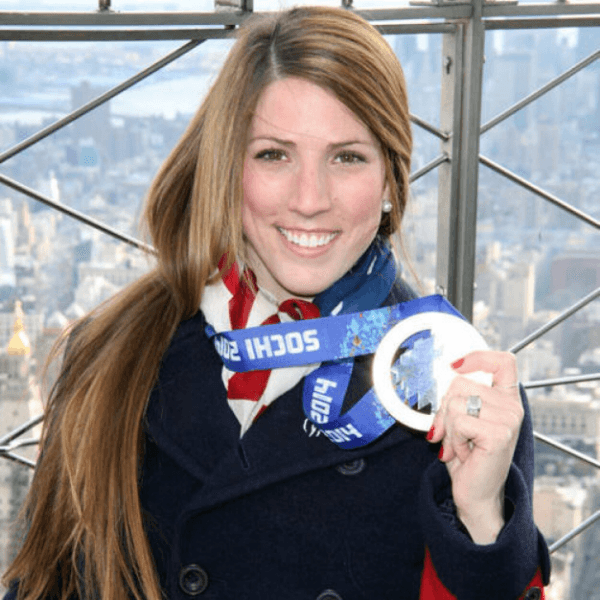
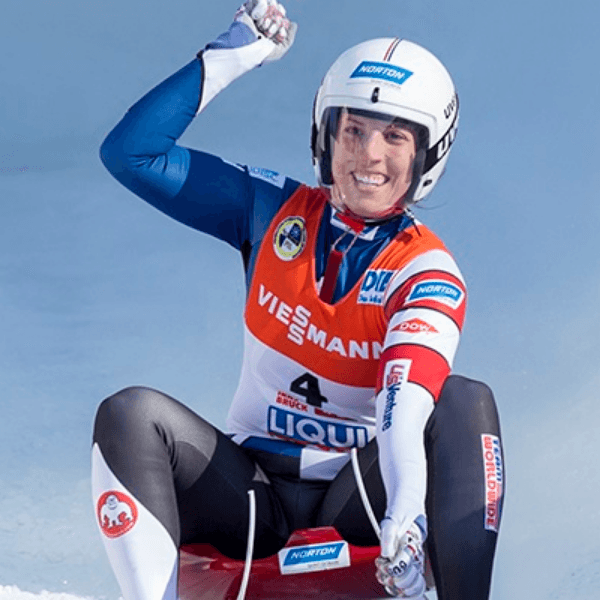
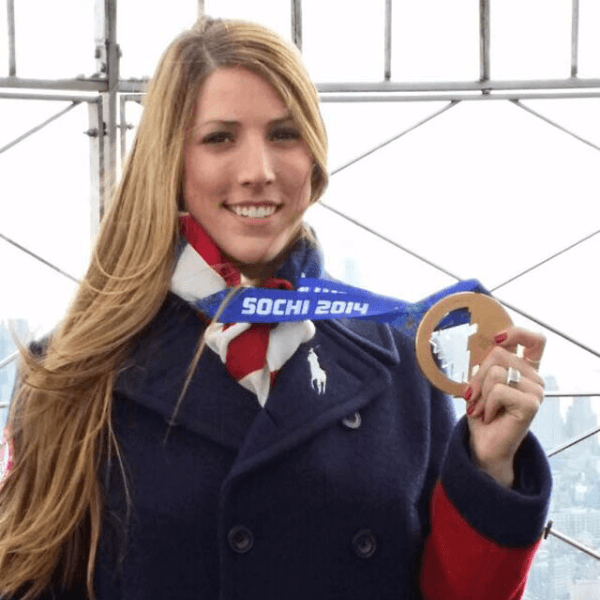
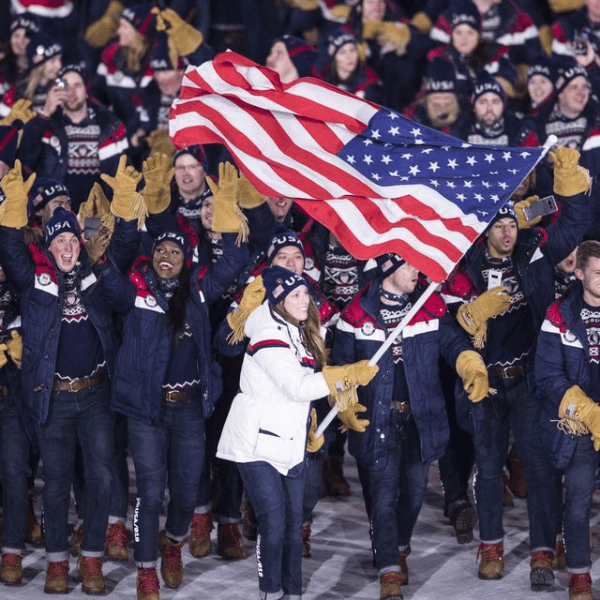
 4x LUGE OLYMPIAN ERIN HAMLIN IS THE MOST DECORATED AMERICAN IN THE HISTORY OF THE SPORT. 2014 BRONZE MEDALIST, and 2x LUGE WORLD CHAMPION, made history at the 2014 Sochi Olympic Games as the FIRST AMERICAN (MALE OR FEMALE) TO WIN AN OLYMPIC MEDAL IN SINGLES LUGE and was the FIRST U.S. WOMAN TO WIN A MEDAL IN ANY LUGE DISCIPLINE AT THE OLYMPIC GAMES. Over her 15-year career Erin has undoubtedly put the sport of luge on the global map for the U.S. and proved that even a girl from a tiny town in Upstate New York in a small sport can do anything if you follow your dreams and never give up- and she’s not done yet! ............ Born in raised in the small but huge-hearted rural town of Remsen, NY, Erin was first introduced to luge at the age of 12 through a USA Luge Slider Search in Syracuse, NY. Erin took a unique chance to try something new and hasn’t looked back since. After being selected to a development team she began training at the Olympic Training Center in Lake Placid, NY. As a member of the Jr National Team from 2003-2005, Erin captured two Jr National Champion titles and a collection of Jr World Cup medals. At the time, she was also a sectional all-star in soccer and track at high school. Erin made the Sr. World Cup Team in 2005 racing her way onto the 2006 Olympic Team in Torino, Italy, where she slid to a 12th place finish at only 19 years old. The following seasons she continued her career full force, posting top results............ On February 6, 2009 Hamlin's luge career slid into full speed as she won the GOLD MEDAL at the 2009 Luge World Championships in Lake Placid, becoming the FIRST U.S. WOMAN TO EVER MEDAL AT THE WORLD CHAMPIONSHIPS. This marked the first time in 99 races that a German woman was not the top finisher. ......... Following the 2010 Vancouver Olympics, where Erin finished as the top American, she won her third consecutive National Championship and continued to top off the following seasons with three more National Championship titles (2008-2012).......... At her third Olympics in Sochi, Russia in 2014, Erin MADE HISTORY winning a Bronze Medal- the first ever medal in singles luge for the U.S. (male or female), also making her the only American woman to ever win any Olympic medal in luge. The reception to Erin’s accomplishments has been widely recognized and she truly came home an American hero, serving as a role model and inspiration so many. Following the Olympics, Erin was honored with “THE BEST OF THE U.S. - BEST FEMALE ATHLETE AWARD,” honoring the MOST INSPIRING ACCOMPLISHMENTS AND OUTSTANDING PERFORMANCES of TEAM USA at the 2014 GAMES......... The 2015-2016 season was a phenomenal one for Erin, earning the top medal count of her career at that time. The undoubted highlight of the season came when Erin led Team USA to a historic 1-2-3 finish with a Gold Medal at the 2015 World Cup in Lake Placid; topping that off with another Gold in the Team Relay later that day..... The 2016-2017 SEASON was even more outstanding, with Erin winning TWO GOLD WORLD CUP MEDALS, and she won her SECOND WORLD CHAMPIONSHIP TITLE, in ADDITION to TWO SILVER MEDALS on top of that GOLD MEDAL at the 2017 WORLD CHAMPIONSHIPS, BREAKING THREE DIFFERENT U.S. RECORDS IN THE PROCESS. In doing so, Erin Hamlin OFFICIALLY BECAME TEAM USA's GREATEST FEMALE LUGE ATHLETE EVER and now holds the title of “MOST DECORATED FEMALE ATHLETE" in the history of USA Luge......... With Erin leading the pack for the women, Team USA has shown their growing dominance in the sport. ERIN COMPETED IN HER FOURTH OLYMPICS at the 2018 WINTER OLYMPIC GAMES IN PYEONGCHANG, SOUTH KOREA, WHERE SHE WAS ALSO NAMED THE TEAM USA FLAG BEARER FOR OLYMPICS OPENING CEREMONIES, WHICH IS A HUGE HONOR .......... There’s no question that Erin continues to make an enormous impact as an athlete and leader both in and out of her sport, and is undoubtedly leaving a legacy as she hangs up her sled after 18 years in the sport..........In November 2018 Erin completed the New York City Marathon..... .Equally important to Erin as her athletic accomplishments, she is dedicated to her involvement in several philanthropic and community initiatives, particularly those that help kids reach their true potential in all aspects of their lives, including in the classroom and maintaining healthy lifestyles.. Loves YOGA, outdoors activities (hiking, biking, horseback riding, skiing, camping) and baking. Pyeongchang 2018 participant; 2018 Olympics Team USA flag bearer Married with new baby (Dec 2020)

Gallery
Gallery image 1
Gallery image 2
Gallery image 3
Gallery image 4
Gallery image 5

Overview

🎂39
|
👩Female
📍New HartfordNew YorkUnited States

Winter Olympics

Team USA

DeVry University

United States

Classroom Champions, Kids Play International, Women's Sports Foundation

Pre-Packaged Projects

Frequently asked questions

More details

Awards

  • 2018 Olympian

  • 2017, 2010 World Champion

  • 2014 Olympic Bronze Medalist

  • 2018 Olympic Games - Opening Ceremony Flag Bearer for Team USA

  • 2010 Olympian

  • 2006 Olympian

  • 4-time U.S. Olympian

  • 2-time World Champion

  • Team USA - "Best Female Athlete" of 2014 Olympic Games

References / press

  • https://en.wikipedia.org/wiki/Erin_Hamlin

  • https://www.cosmopolitan.com/entertainment/celebs/a13795831/erin-hamlin-luger-olympics/

  • https://www.today.com/news/erin-hamlin-makes-history-earns-first-singles-luge-medal-us-2D12100514

  • https://www.teamusa.org/News/2018/October/31/Erin-Hamlins-Post-Olympic-Journey-Races-On-To-NYC-Marathon

Sign up for free now to unlock more profile features
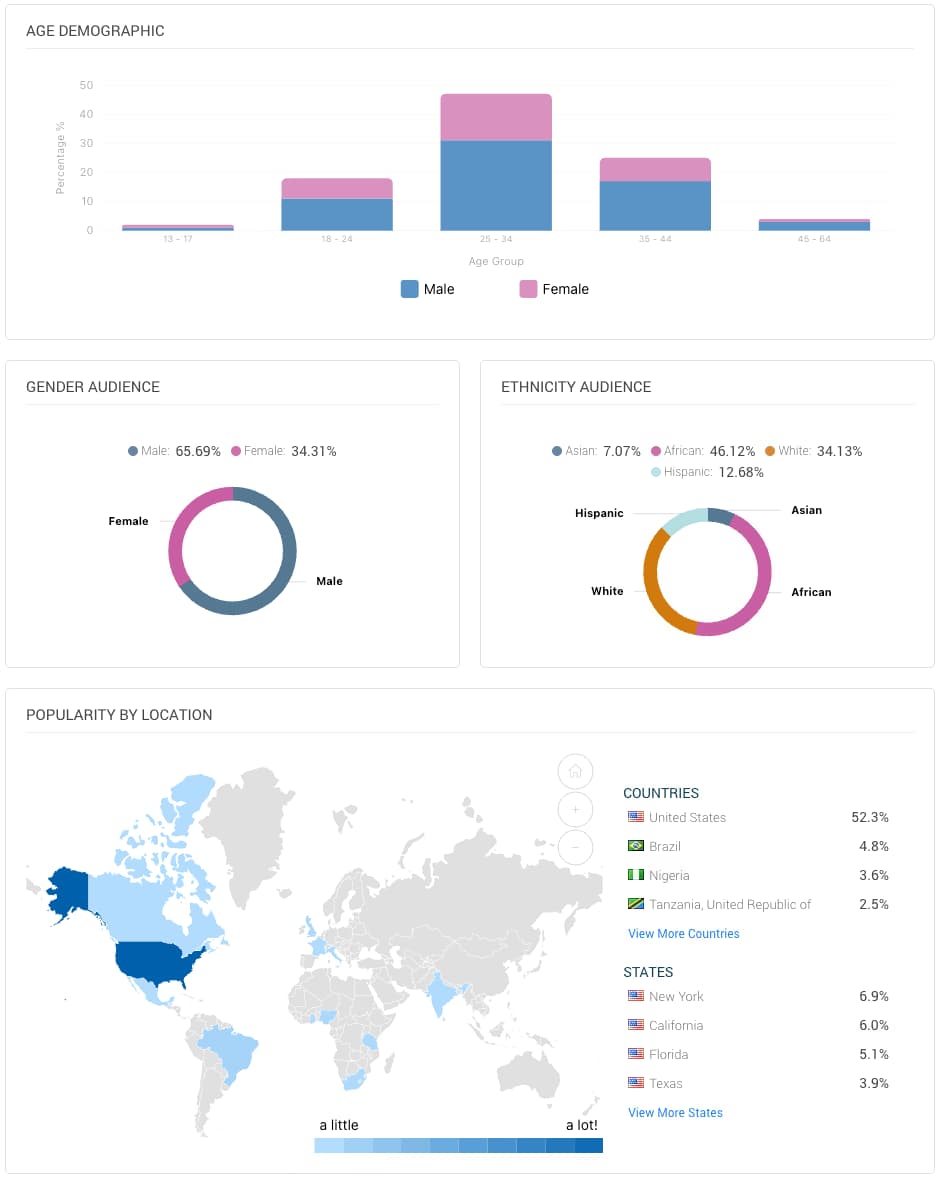
Demographics
Demographics

Demographics

See more info on the age, location and gender on the profile's audience
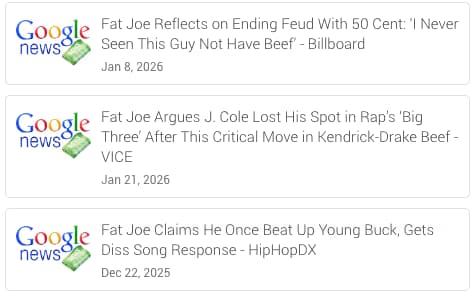
Recent News
Recent News

Recent News

See more of the profile's relevance in the media
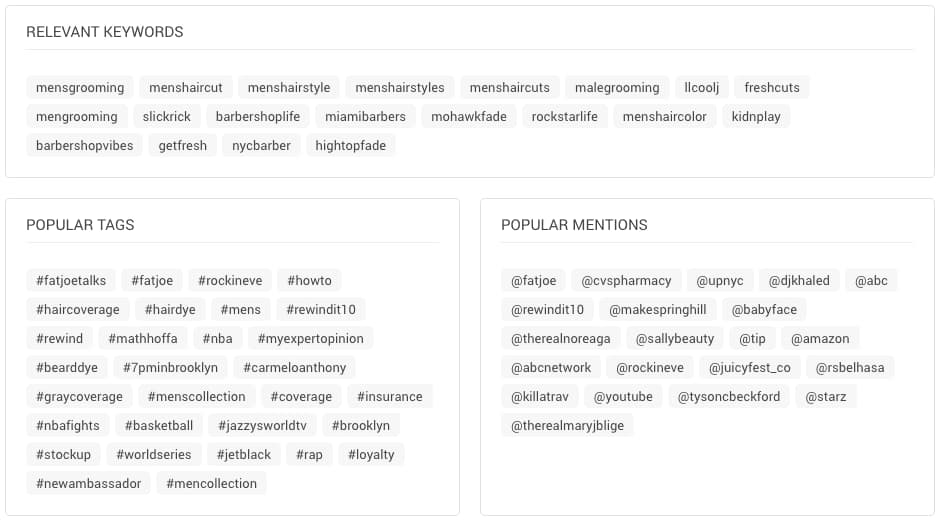
Talking about
Talking about

Talking about

See the profile's most common talking points from social media
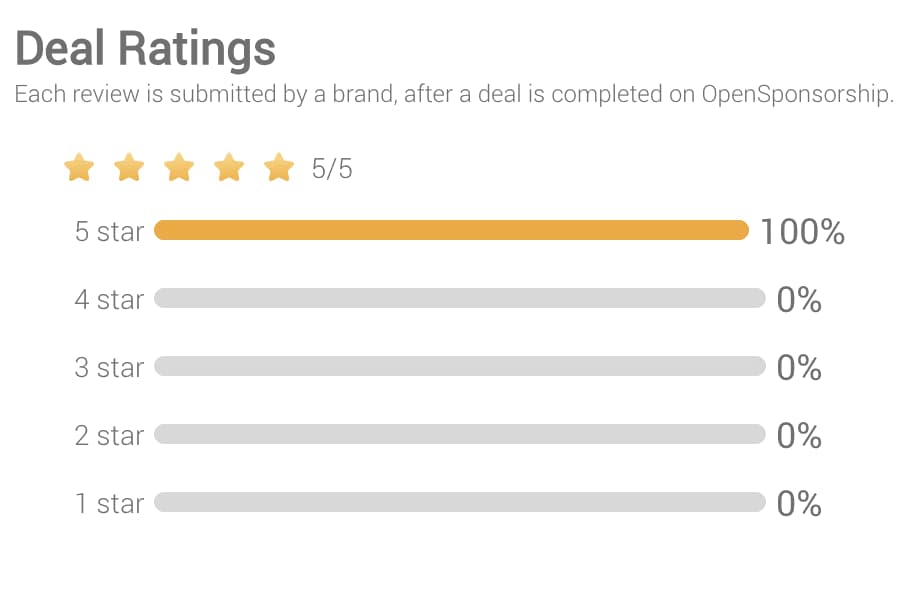
Reviews
Reviews

Reviews

See the profile's reviews and ratings on past deals

Sign up to see more

Promote your brand and sponsor Erin Hamlin today!

1
Choose me

Choose me

Review my profile and stats to see if I am the right fit for your campaign.

2
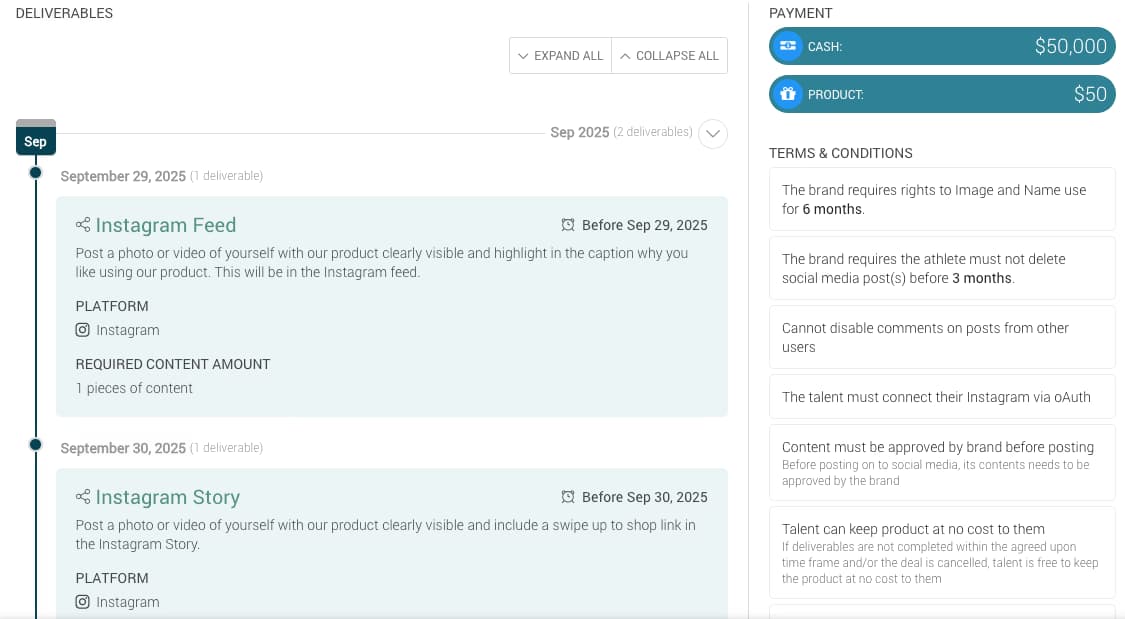
Create a proposal

Create a proposal

Send me a proposal detailing your objectives and campaign needs.

3
Set deliverables

Set deliverables

Specify the exact marketing tasks and deliverables you want completed.

4
See ROI

See ROI

Track performance to measure the results and return on your investment.

Sign up and send Erin Hamlin a proposal or connect with +25,000 athletes. Set your marketing deliverables, have athletes execute them and watch the return multiply.


Nano vs Micro vs Mega Influencers: What 1,527 Creator Campaigns Reveal About Cost and ROI

Nano vs Micro vs Mega Influencers: What 1,527 Creator Campaigns Reveal About Cost and ROI

<p><em>Every influencer marketing article tells you the same thing: micro-influencers are better value. Almost none of them show you the receipts. So we pulled ours.</em></p> <p>We analyzed <strong>1,527 completed, paid creator deliverables</strong> from real campaigns that ran on OpenSponsorship between <strong>January 2025 and June 2026</strong> — every one a genuine brand paying a genuine creator, with tracked performance attached. Not a survey. Not self-reported rate cards. Actual money, actual posts, actual results.</p> <p>Some of what we found matches the conventional wisdom. Some of it flatly contradicts it — including one finding that surprised us enough that we double-checked the query twice.</p> <h2>The short version</h2> <ul> <li><strong>Nano influencers (under 10K followers) cost a median of $134 per deliverable</strong> and generate <strong>20x more views per follower</strong> than mega influencers.</li> <li><strong>But nano influencers do not deliver the cheapest cost per view.</strong> Mega influencers do — roughly 2x cheaper. This is the opposite of what most guides claim.</li> <li><strong>Nano and micro creators do win decisively on cost per engagement</strong> — about $3.05–$3.11, versus $5.00 for mega and $7.07 for the mid tier.</li> <li><strong>The 50K–250K follower tier is a dead zone</strong> — the worst cost per view <em>and</em> the worst cost per engagement of any tier we measured.</li> <li><strong>Deals over $7,500 are the least efficient and the most volatile</strong> of any spend band.</li> </ul> <h2>How we measured it</h2> <p>A benchmark is only as good as its definitions, so here are ours.</p> <p>We took every deliverable marked complete, from deals with a status of "Accepted," created between 1 January 2025 and 30 June 2026. We required a tracked view count above 100 and a recorded fee of at least $50 — this strips out test records and product-only placeholders that would otherwise distort the maths.</p> <p>That left <strong>1,527 deliverables</strong> for the pricing analysis and <strong>1,502</strong> for the follower-tier analysis (a handful of creator records lack a follower count).</p> <p>We report <strong>medians, not averages</strong>. Influencer performance is famously long-tailed — a single viral post can drag an average somewhere useless. The median tells you what actually happens on a typical campaign, which is what you're budgeting for.</p> <p>Two metrics do the work here:</p> <ul> <li><strong>Cost per view (CPV)</strong> — what you paid, divided by views delivered. This is your reach efficiency.</li> <li><strong>Cost per engagement (CPE)</strong> — what you paid, divided by likes, comments, shares and saves combined. This is your <em>action</em> efficiency.</li> </ul> <p>We deliberately do not report engagement rate as a percentage of reach. Reach data is incomplete across the dataset, and a rate calculated on a missing or tiny denominator produces nonsense figures — we've seen "engagement rates" above 70% in raw data, which obviously means the denominator is broken, not that the creator is a genius. Engagement per view is the honest version of that metric, and it's what we use below.</p> <h2>Finding 1: What each creator tier actually costs</h2> <p>First, the number everyone actually wants: the price of admission.</p> <table style="width:100%;border-collapse:collapse;margin:20px 0;"> <thead> <tr style="background-color:#064250;color:#ffffff;"> <th style="text-align:left;padding:10px;">Creator tier</th> <th style="text-align:right;padding:10px;">Campaigns</th> <th style="text-align:right;padding:10px;">Median cost per deliverable</th> <th style="text-align:right;padding:10px;">Median views</th> </tr> </thead> <tbody> <tr><td style="padding:10px;border-bottom:1px solid #ddd;"><strong>Nano</strong> (under 10K)</td><td style="text-align:right;padding:10px;border-bottom:1px solid #ddd;">146</td><td style="text-align:right;padding:10px;border-bottom:1px solid #ddd;">$134</td><td style="text-align:right;padding:10px;border-bottom:1px solid #ddd;">1,115</td></tr> <tr style="background-color:#f4f7f6;"><td style="padding:10px;border-bottom:1px solid #ddd;"><strong>Micro</strong> (10K–50K)</td><td style="text-align:right;padding:10px;border-bottom:1px solid #ddd;">349</td><td style="text-align:right;padding:10px;border-bottom:1px solid #ddd;">$150</td><td style="text-align:right;padding:10px;border-bottom:1px solid #ddd;">989</td></tr> <tr><td style="padding:10px;border-bottom:1px solid #ddd;"><strong>Mid</strong> (50K–250K)</td><td style="text-align:right;padding:10px;border-bottom:1px solid #ddd;">513</td><td style="text-align:right;padding:10px;border-bottom:1px solid #ddd;">$417</td><td style="text-align:right;padding:10px;border-bottom:1px solid #ddd;">2,606</td></tr> <tr style="background-color:#f4f7f6;"><td style="padding:10px;border-bottom:1px solid #ddd;"><strong>Macro</strong> (250K–1M)</td><td style="text-align:right;padding:10px;border-bottom:1px solid #ddd;">441</td><td style="text-align:right;padding:10px;border-bottom:1px solid #ddd;">$517</td><td style="text-align:right;padding:10px;border-bottom:1px solid #ddd;">6,974</td></tr> <tr><td style="padding:10px;border-bottom:1px solid #ddd;"><strong>Mega</strong> (1M+)</td><td style="text-align:right;padding:10px;border-bottom:1px solid #ddd;">53</td><td style="text-align:right;padding:10px;border-bottom:1px solid #ddd;">$2,727</td><td style="text-align:right;padding:10px;border-bottom:1px solid #ddd;">20,123</td></tr> </tbody> </table> <p>The first thing to notice is how <em>low</em> the entry point is. A nano influencer campaign runs a median of <strong>$134</strong>. A micro campaign, $150. You can run twenty nano creators for the price of one mega creator and still have change.</p> <p>The second thing: <strong>mega influencers are not as expensive as the industry mythology suggests</strong>. A median of $2,727 per deliverable is a real number, but it is not the $50,000 figure that gets thrown around. Those headline fees exist, but they are not the typical transaction.</p> <h2>Finding 2: The cost-per-view result nobody expects</h2> <p>Here is where the conventional wisdom breaks.</p> <table style="width:100%;border-collapse:collapse;margin:20px 0;"> <thead> <tr style="background-color:#064250;color:#ffffff;"> <th style="text-align:left;padding:10px;">Creator tier</th> <th style="text-align:right;padding:10px;">Median cost per view</th> <th style="text-align:right;padding:10px;">Views per follower</th> </tr> </thead> <tbody> <tr><td style="padding:10px;border-bottom:1px solid #ddd;"><strong>Nano</strong> (under 10K)</td><td style="text-align:right;padding:10px;border-bottom:1px solid #ddd;">$0.13</td><td style="text-align:right;padding:10px;border-bottom:1px solid #ddd;"><strong>0.199</strong></td></tr> <tr style="background-color:#f4f7f6;"><td style="padding:10px;border-bottom:1px solid #ddd;"><strong>Micro</strong> (10K–50K)</td><td style="text-align:right;padding:10px;border-bottom:1px solid #ddd;">$0.14</td><td style="text-align:right;padding:10px;border-bottom:1px solid #ddd;">0.046</td></tr> <tr><td style="padding:10px;border-bottom:1px solid #ddd;"><strong>Mid</strong> (50K–250K)</td><td style="text-align:right;padding:10px;border-bottom:1px solid #ddd;">$0.19</td><td style="text-align:right;padding:10px;border-bottom:1px solid #ddd;">0.020</td></tr> <tr style="background-color:#f4f7f6;"><td style="padding:10px;border-bottom:1px solid #ddd;"><strong>Macro</strong> (250K–1M)</td><td style="text-align:right;padding:10px;border-bottom:1px solid #ddd;">$0.10</td><td style="text-align:right;padding:10px;border-bottom:1px solid #ddd;">0.015</td></tr> <tr><td style="padding:10px;border-bottom:1px solid #ddd;"><strong>Mega</strong> (1M+)</td><td style="text-align:right;padding:10px;border-bottom:1px solid #ddd;"><strong>$0.07</strong></td><td style="text-align:right;padding:10px;border-bottom:1px solid #ddd;">0.011</td></tr> </tbody> </table> <p><strong>If you are buying reach, big creators are cheaper.</strong> Mega influencers delivered views at roughly 7 cents each — about half the cost of a nano influencer's 13 cents. Macro creators came in at 10 cents.</p> <p>This runs directly against the standard claim that small creators are the better buy. On raw reach economics, they simply aren't. Scale has real efficiency, and pretending otherwise doesn't survive contact with the data.</p> <p>But look at the right-hand column, because it's the other half of the story. <strong>Nano influencers generated views equal to 19.9% of their follower count. Mega influencers managed 1.1%.</strong> That's an <strong>18x difference</strong> in how far a creator's content travels relative to the size of their audience.</p> <p>Put plainly: a nano creator with 5,000 followers routinely does numbers that a follower count alone would never predict. Their content escapes their audience. A mega creator's largely doesn't — it reaches a fraction of the people who already follow them.</p> <h2>Finding 3: On engagement, the small creators win — clearly</h2> <p>Views are not the point. Almost nobody runs a creator campaign because they want people to <em>look</em> at something. They want a comment, a save, a share, a click, a purchase.</p> <p>So we ran the same analysis on cost per engagement.</p> <table style="width:100%;border-collapse:collapse;margin:20px 0;"> <thead> <tr style="background-color:#064250;color:#ffffff;"> <th style="text-align:left;padding:10px;">Creator tier</th> <th style="text-align:right;padding:10px;">Campaigns</th> <th style="text-align:right;padding:10px;">Median cost per engagement</th> <th style="text-align:right;padding:10px;">Engagement per view</th> </tr> </thead> <tbody> <tr><td style="padding:10px;border-bottom:1px solid #ddd;"><strong>Nano</strong> (under 10K)</td><td style="text-align:right;padding:10px;border-bottom:1px solid #ddd;">131</td><td style="text-align:right;padding:10px;border-bottom:1px solid #ddd;">$3.11</td><td style="text-align:right;padding:10px;border-bottom:1px solid #ddd;"><strong>4.6%</strong></td></tr> <tr style="background-color:#f4f7f6;"><td style="padding:10px;border-bottom:1px solid #ddd;"><strong>Micro</strong> (10K–50K)</td><td style="text-align:right;padding:10px;border-bottom:1px solid #ddd;">281</td><td style="text-align:right;padding:10px;border-bottom:1px solid #ddd;"><strong>$3.05</strong></td><td style="text-align:right;padding:10px;border-bottom:1px solid #ddd;">4.3%</td></tr> <tr><td style="padding:10px;border-bottom:1px solid #ddd;"><strong>Mid</strong> (50K–250K)</td><td style="text-align:right;padding:10px;border-bottom:1px solid #ddd;">439</td><td style="text-align:right;padding:10px;border-bottom:1px solid #ddd;"><strong>$7.07</strong></td><td style="text-align:right;padding:10px;border-bottom:1px solid #ddd;">2.9%</td></tr> <tr style="background-color:#f4f7f6;"><td style="padding:10px;border-bottom:1px solid #ddd;"><strong>Macro</strong> (250K–1M)</td><td style="text-align:right;padding:10px;border-bottom:1px solid #ddd;">400</td><td style="text-align:right;padding:10px;border-bottom:1px solid #ddd;">$4.39</td><td style="text-align:right;padding:10px;border-bottom:1px solid #ddd;">2.6%</td></tr> <tr><td style="padding:10px;border-bottom:1px solid #ddd;"><strong>Mega</strong> (1M+)</td><td style="text-align:right;padding:10px;border-bottom:1px solid #ddd;">53</td><td style="text-align:right;padding:10px;border-bottom:1px solid #ddd;">$5.00</td><td style="text-align:right;padding:10px;border-bottom:1px solid #ddd;">3.5%</td></tr> </tbody> </table> <p><strong>Micro influencers buy engagement at $3.05. Nano at $3.11. Mega at $5.00. The mid tier at $7.07.</strong></p> <p>So the micro-influencer thesis is real — it was just always described sloppily. Small creators are not cheaper at buying eyeballs. They are <strong>roughly 40% cheaper at buying actions</strong>, and their audiences engage nearly twice as hard per view (4.6% versus 2.6% for macro).</p> <p>That distinction matters enormously for your brief. Awareness campaign? The maths favours a bigger creator. Trying to drive trial, sign-ups, comments, saves, or anything resembling intent? The small creators are the efficient buy, and it isn't close.</p> <figure style="margin:28px 0;"> <img src="https://s3.amazonaws.com/opensponsorship/profile/8e729925-e0d7-49e0-a4df-b9be1681fcec.png" alt="A barbecue creator on the OpenSponsorship roster - creator marketing now reaches far beyond sport into food, wellness and lifestyle niches" style="max-width:100%;height:auto;border-radius:6px;" /> <figcaption style="font-size:14px;color:#555;margin-top:8px;"><em>Niche fit beat follower count in every cut of our data. Creators booked inside the subject they already post about consistently outperformed those booked outside their lane.</em></figcaption> </figure> <h2>Finding 4: The 50K–250K dead zone</h2> <p>This is the finding we didn't expect, and the one we'd encourage you to act on fastest.</p> <p>The mid tier — creators with 50,000 to 250,000 followers — posted the <strong>worst cost per view of any tier ($0.19)</strong> and the <strong>worst cost per engagement of any tier ($7.07)</strong>. Simultaneously. Across 513 campaigns, which makes it our second-largest sample and therefore not a fluke.</p> <p>They are caught in the middle. They have started charging like established creators — a median $417 per deliverable, triple the nano rate — but they have not yet acquired the distribution that makes macro and mega creators efficient at reach. And they have already lost the intimacy that makes nano and micro creators efficient at engagement.</p> <p>They are too expensive to be cheap and too small to be efficient. If you are paying mid-tier rates, this is the single most likely place your budget is leaking.</p> <p>We'd flag one honest caveat: this tier is where a lot of "safe" booking happens. The 50K–250K creator looks credible in a deck. It has a real audience, a tidy grid, a plausible media kit. It <em>feels</em> like the responsible choice. The data says it's the expensive one.</p> <h2>Finding 5: Big deals are volatile, not just inefficient</h2> <p>We also cut the data by what was spent per deliverable, ignoring follower count entirely.</p> <table style="width:100%;border-collapse:collapse;margin:20px 0;"> <thead> <tr style="background-color:#064250;color:#ffffff;"> <th style="text-align:left;padding:10px;">Spend per deliverable</th> <th style="text-align:right;padding:10px;">Campaigns</th> <th style="text-align:right;padding:10px;">Median cost per view</th> </tr> </thead> <tbody> <tr><td style="padding:10px;border-bottom:1px solid #ddd;">Under $500</td><td style="text-align:right;padding:10px;border-bottom:1px solid #ddd;">957</td><td style="text-align:right;padding:10px;border-bottom:1px solid #ddd;"><strong>$0.10</strong></td></tr> <tr style="background-color:#f4f7f6;"><td style="padding:10px;border-bottom:1px solid #ddd;">$500 – $1,000</td><td style="text-align:right;padding:10px;border-bottom:1px solid #ddd;">271</td><td style="text-align:right;padding:10px;border-bottom:1px solid #ddd;">$0.22</td></tr> <tr><td style="padding:10px;border-bottom:1px solid #ddd;">$1,000 – $2,500</td><td style="text-align:right;padding:10px;border-bottom:1px solid #ddd;">206</td><td style="text-align:right;padding:10px;border-bottom:1px solid #ddd;">$0.22</td></tr> <tr style="background-color:#f4f7f6;"><td style="padding:10px;border-bottom:1px solid #ddd;">$2,500 – $7,500</td><td style="text-align:right;padding:10px;border-bottom:1px solid #ddd;">78</td><td style="text-align:right;padding:10px;border-bottom:1px solid #ddd;">$0.24</td></tr> <tr><td style="padding:10px;border-bottom:1px solid #ddd;">Over $7,500</td><td style="text-align:right;padding:10px;border-bottom:1px solid #ddd;">15</td><td style="text-align:right;padding:10px;border-bottom:1px solid #ddd;"><strong>$0.41</strong></td></tr> </tbody> </table> <p>Deals over $7,500 cost <strong>4x more per view</strong> than deals under $500. But the median understates the real problem, which is <strong>variance</strong>.</p> <p>Within that top band, the 25th percentile came in at a superb <strong>$0.065 per view</strong> — and the 75th percentile at <strong>$1.18</strong>. That is an eighteen-fold spread inside a single spend band. Some big deals are the best money you'll spend all year. Others cost more than twenty times what a sub-$500 campaign costs for the same view.</p> <p>Small campaigns aren't just cheaper. They're <em>predictable</em>. A big deal is a bet; a portfolio of small ones is a plan. Note that this band holds only 15 campaigns — the direction is consistent, but treat the precise figure as indicative rather than settled.</p> <h2>What we'd actually tell you to do</h2> <p><strong>Don't spend less. Spend it differently.</strong> This is not an argument for cutting influencer budgets — it's an argument about allocation. The same money, distributed differently, buys measurably more.</p> <ol> <li><strong>Match the tier to the job.</strong> Reach and awareness: go bigger, the CPV maths supports it. Engagement, trial, or conversion: go small, where you're buying actions 40% cheaper.</li> <li><strong>Interrogate every mid-tier booking.</strong> The 50K–250K band is our worst performer on both metrics. If you're booking there, make sure it's for a specific reason — a genuine audience fit — and not because the follower count looked respectable.</li> <li><strong>Treat one big deal as a bet, not a plan.</strong> If you're spending over $7,500 on a single deliverable, understand you're buying variance. Balance it with a portfolio that isn't.</li> <li><strong>Book creators inside the subject they already talk about.</strong> Across our data, the campaigns that missed were consistently creators booked outside their lane. Niche fit beat follower count every time we looked.</li> <li><strong>Re-book your winners.</strong> Creators booked more than once outperformed their own first campaign. Familiarity with a product shows up in the content.</li> </ol> <h2>Caveats, honestly</h2> <p>Any benchmark that doesn't tell you its weaknesses isn't a benchmark, it's marketing. Ours:</p> <ul> <li><strong>Fees reflect cash paid, and exclude the value of gifted product.</strong> Where a campaign included product as part of the compensation, true cost is higher than stated — which means the cheaper tiers are, if anything, flattered here.</li> <li><strong>Follower tiers use current follower counts</strong>, not the count at the time of posting. Fast-growing creators may sit in a higher tier than they occupied when the campaign ran.</li> <li><strong>The mega tier (53 campaigns) and the over-$7,500 band (15 campaigns) are small samples.</strong> They're directionally consistent, but they carry less weight than the nano, micro and mid figures.</li> <li><strong>This is our data, not the industry's.</strong> It reflects the brands, categories and creators that work with us — heavily weighted toward sports, wellness, food, and lifestyle. Your category may behave differently.</li> <li><strong>Views accumulate.</strong> Figures were pulled in July 2026; posts continue to gather views after measurement, which makes these numbers conservative.</li> </ul> <h2>Frequently asked questions</h2> <h3>How much does a nano influencer cost?</h3> <p>In our data, a median of <strong>$134 per deliverable</strong>. Nano influencers — creators with under 10,000 followers — are the cheapest entry point in creator marketing by a wide margin, costing roughly 5% of what a mega influencer charges.</p> <h3>Are micro influencers worth it?</h3> <p>For engagement, yes, decisively. Micro influencers (10K–50K followers) delivered engagement at <strong>$3.05 each</strong> versus $5.00 for mega influencers and $7.07 for the mid tier — roughly 40% cheaper. For pure reach, no: larger creators deliver views more cheaply.</p> <h3>What is a good cost per view for influencer marketing?</h3> <p>Across 1,527 campaigns our overall median sat between <strong>$0.10 and $0.24 per view</strong>, depending on spend band. Anything under about $0.15 is strong. Over $0.40 and you should be asking what you're paying for.</p> <h3>Do nano influencers get more engagement?</h3> <p>Yes. Nano creators saw <strong>4.6% of viewers engage</strong>, compared with 2.6% for macro creators — roughly 1.8x higher. They also generate views equal to <strong>19.9% of their follower count</strong>, versus 1.1% for mega influencers.</p> <h3>Is it better to hire one big influencer or several small ones?</h3> <p>It depends on the goal. One large creator is cheaper per view and better for awareness. Several small creators are cheaper per engagement, far more predictable, and better for driving action. For most performance-oriented briefs, the portfolio wins.</p> <h2>Related reading</h2> <ul> <li>Working with athletes specifically? See our breakdown of <a href="https://opensponsorship.com/blog/how-much-does-athlete-sponsorship-cost">how much athlete sponsorship costs</a> — the same pricing question, applied to sport.</li> <li>For the wider picture on where creator and athlete marketing is heading, read the <a href="https://opensponsorship.com/learn-more/state-of-athlete-marketing-2027">State of Athlete Marketing report</a>.</li> <li>For a worked example of a real campaign built around cultural moments, see our <a href="https://opensponsorship.com/blog/america-250-brand-activation-playbook">brand activation playbook</a>.</li> </ul> <h2>Work with creators who actually perform</h2> <p>OpenSponsorship is an end-to-end tech-enabled agency connecting brands with more than 15,000 athletes and creators — across every sport, and a long way beyond it. Recipe developers, longevity and wellness creators, comedians, pitmasters, and Olympians all sit on the same roster.</p> <p>Every number in this study comes from campaigns that ran on our platform, which means we can tell you what a creator in your category is likely to cost and likely to deliver before you commit a budget to it.</p> <p><a href="https://meetings.hubspot.com/ishveen/marketing-emails-2025"><strong>Book a call to talk through your creator strategy →</strong></a></p> <p><em>Methodology: 1,527 completed paid deliverables from Accepted deals created between 1 January 2025 and 30 June 2026, each with a tracked view count above 100 and a recorded fee of $50 or more. Medians reported throughout. Data pulled July 2026. Study by OpenSponsorship.</em></p>

July 15, 2026

Ingredient Branding Done Right: How Immunotec Made Glutathione Mainstream

Ingredient Branding Done Right: How Immunotec Made Glutathione Mainstream

Glutathione has become one of the most talked-about molecules in wellness — the “master antioxidant” that shows up in podcasts, longevity conversations, and the supplement aisle alike. But behind that mainstream moment is a brand that has spent decades making glutathione credible: Immunotec. This is the story of how OpenSponsorship helped Immunotec turn that scientific authority into everyday consumer demand — and a real-world example of what ingredient branding looks like when it’s done right.

July 13, 2026

OpenSponsorship Releases World Cup Brand Activation Data as FIFA 2026 Kicks Off

OpenSponsorship Releases World Cup Brand Activation Data as FIFA 2026 Kicks Off

Press Release · New York, NY

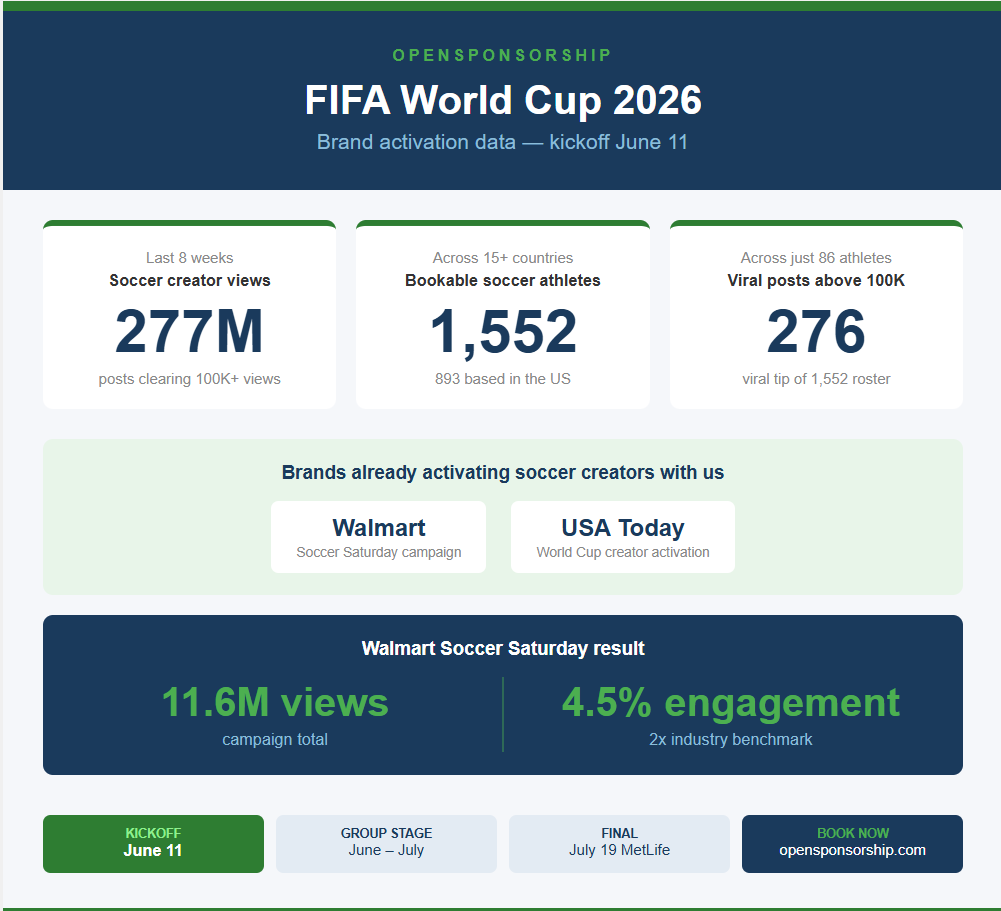
The world's largest athlete marketing platform reports 277 million views from soccer creators in the last eight weeks, with 1,552 bookable soccer athletes ready for brand activation across 15+ countries. Clients including Walmart and USA Today are already activating ahead of kickoff.

OpenSponsorship, the world's largest athlete marketing platform backed by Serena Williams and David Blitzer, today released proprietary data showing the scale of the creator opportunity around the 2026 FIFA World Cup, which kicks off Thursday, June 11th in North America. With brands including Walmart and USA Today already activating soccer creator campaigns through the platform, OpenSponsorship is positioned as the go-to partner for brands looking to win the biggest sports marketing moment of the decade.

277M
soccer creator views, last 8 weeks
1,552
bookable soccer athletes, 15+ countries
276
viral posts over 100K views, just 86 athletes

The platform's soccer roster has generated 277 million views in the last eight weeks alone, with 276 viral posts clearing 100,000 views across just 86 athletes. OpenSponsorship has 1,552 publicly listed and bookable soccer athletes across 15+ countries, including 893 in the United States, alongside athletes from the UK, Mexico, Canada, Spain, Brazil, France, Nigeria, and more.

Brands that can't sign elite players can still reach their audience

With 48 nations competing in the largest World Cup in history, brands face a common challenge: the biggest names are either off limits or out of budget. OpenSponsorship's data shows that mid-tier and creator talent routinely out-reaches their follower counts by 50 to 100x — giving brands access to the same passionate fan audiences at a fraction of the cost of global stars.

“The World Cup is the biggest commercial moment in sports marketing history, and the brands that win it will not be the ones who waited for the tournament to start. Our soccer athletes have already generated 277 million views in the last two months. The audience is engaged, the creators are ready, and the window to activate at the best rates closes when kickoff happens.” — Ishveen Jolly, Founder & CEO, OpenSponsorship
Walmart and USA Today: what World Cup activation actually delivers

OpenSponsorship's recent Walmart Soccer Saturday campaign demonstrates what's possible when brands activate the right soccer creators. The campaign — which featured AA9Skillz, Brittany Wilson, Matty Farias, Sean Garnier, and others — generated the following:

11.6M
total campaign views
4.5%
engagement — ~2x industry benchmark

USA Today is also activating soccer creator campaigns through OpenSponsorship ahead of the World Cup, leveraging the platform's roster of 1,552 bookable soccer athletes to reach highly engaged audiences across the US, Canada, and Mexico — the three host nations for the 2026 tournament.

“When creators genuinely love a sport and an event, it shows in the content. The Walmart campaign worked because the athletes were authentic soccer fans first and brand partners second. That authenticity is exactly what drives the kind of engagement numbers brands cannot get from traditional advertising.” — Ishveen Jolly, Founder & CEO, OpenSponsorship
The World Cup activation window

OpenSponsorship's data shows a clear opportunity curve for World Cup brand activation. Athletes are available now at pre-tournament rates, with demand and pricing expected to rise sharply once the group stage begins June 11th.

  • Kickoff — June 11: the group stage is the viral window, where trending athletes are still affordable before bidding wars begin.
  • The Final — July 19, MetLife Stadium: the highest-profile moment for brands that have already built creator relationships.

Brands that lock in creator partnerships before the tournament begins benefit from lower rates, more authentic content, and deeper athlete relationships that extend beyond the tournament window. OpenSponsorship's white-glove managed service handles sourcing, contracting, content briefing, delivery, and ROI reporting end to end.

Members of the press — download the full release:

Download the Press Release (PDF)
About OpenSponsorship

OpenSponsorship is the world's largest athlete marketing platform, connecting 25,000+ athletes and creators with brands across 160 sports and 120 countries. Launched in 2015, the company has facilitated over 9,000 accepted deals and 8,000+ successful brand-creator matches, giving it the largest proprietary dataset in athlete marketing. OpenSponsorship became profitable in 2024 and delivered 200% revenue growth in 2025. Ishveen Jolly, backed by investors Serena Williams and David Blitzer, is the Founder and CEO, winner of SBJ Game Changer 2025 and Forbes 30 Under 30. The 2026 State of Athlete and Influencer Marketing Report is available at opensponsorship.com.

Want to activate soccer creators before kickoff?

The best rates close when the tournament starts.

Book Now

###

June 11, 2026

Fitness & PerformanceHealth & WellnessPetsKidsMarriage & FamilyHome LifeYogaTravelPhotographyCoffeeEnvironmental SustainabilityWinter SportsOlympicsFamily

Pre-Packaged Projects

Social Media Deal

1 post & 1 story with the Erin Hamlin promoting your product.

$4,000
Estimated Price
Sign up to start an offer

Brand Ambassador Deal

Long-term deal involving appearances, photoshoots, social media and more.

$36,000
Estimated Price
Sign up to start an offer

Appearance Deal

Have Erin Hamlin make a live appearance at your next event

$6,000
Estimated Price
Sign up to start an offer

Custom

Need help on a custom package for this athlete?

Login to request help

Frequently asked questions

Brands can sponsor Erin Hamlin on OpenSponsorship by creating a free account, browsing Erin Hamlin's profile, and sending a sponsorship proposal for social posts, appearances, or integrated campaigns. OpenSponsorship handles messaging, deliverables, and deal terms in one platform so you can connect directly with this athlete.

Erin Hamlin is listed on OpenSponsorship and available for brand sponsorships. Brands can review campaign packages, audience details, and pricing on this profile, then submit a proposal to start a partnership with this athlete.

According to OpenSponsorship, estimated pricing to sponsor Erin Hamlin starts at $4,000 for a social media post, $6,000 for a appearance and $36,000 for a brand ambassador campaign. Final rates depend on deliverables, usage rights, and campaign scope. Sign up on OpenSponsorship to view packages and send a proposal.

According to OpenSponsorship, Erin Hamlin's audience includes 11K+ Instagram followers, interests including Fitness & Performance, Health & Wellness, Pets, Kids, Marriage & Family, and more, based in New Hartford, New York, United States. Brands can use this profile to evaluate reach, content niche, and sponsorship fit before sending a proposal.

news article image

Erin Hamlin leads the delegation from the United States during the opening ceremony for the Pyeongchang 2018 Olympic Winter - Wisconsin State Journal

May 26, 2026

news article image

New York making 'significant' effort to host Winter Olympics - Lee News Central

May 26, 2026

news article image

New York making 'significant' effort to host Winter Olympics - Arizona Daily Star

May 26, 2026

Related Profiles

  • Jamie Greubel Poser
  • Summer Britcher
  • Sylvia Hoffman
  • Erin Storie
  • Erin Hamlin
  • Dagmara Wozniak
  • Evelyn q Stevens
  • Cari Spears
  • Talya Davidoff
  • Kendall Wesenberg
  • Sarah Hendrickson
  • Jessica Heims
  • Kaila Kuhn
  • Adam Bragg
  • Brittney Reese
  • Jessica Heims
  • Shannon Bahrke
  • Cory Thiesse
  • Monica Rokhman
  • Brianna Hernandez-Silva
  • Leon Felderer
  • Tristan Walker
  • Allison Reaser
  • Evan Weinstock
  • Julia Mancuso